Key Takeaways
- Many adults over 45 want to discuss end-of-life wishes, yet few have had the conversation because they are unsure how to start.
- To ease into the talk, start with personal stories or choose a relaxed setting; avoid formalities.
- Ask specific questions, such as burial preferences and service details; these keep the conversation focused and manageable.
- Record the insights you gain from the conversation, as memories may fade and need protection.
- Having the discussion with healthy parents is advantageous and often less stressful than waiting for a crisis.
The Conversation Almost Everyone Means to Have
A 2024 AARP Poll found that 85% of older adults are comfortable discussing death and dying. Yet 69% say the topic is generally avoided. While 63% have actually had an end-of-life conversation with a loved one, far fewer have prepared a will or a living will.
That gap says something about this particular type of conversation. Almost no one disagrees that it matters. What stops people isn’t doubt. It’s uncertainty about how to start, or waiting for that perfect moment. So the conversation gets postponed, year after year, not out of avoidance exactly, but because “someday” always feels safer than “today.”
The problem is that someday has a way of arriving without warning. And when it does, the people left behind are often making decisions for a parent they loved deeply, with no idea what that parent actually wanted.
Why It Feels Harder Than It Is
Part of what makes this conversation feel so heavy is that it seems to require a big moment. A sit-down. A formal announcement that something serious is about to be discussed. That expectation alone is often enough to keep the conversation from ever happening.
It also touches something most families don’t talk about casually: a parent’s mortality, and by extension, your own fear of losing them. Bringing it up can feel like inviting the thing you’re trying to avoid.
Almost everyone who’s had this conversation describes it differently than they expected. Not devastating. Not even particularly sad, most of the time. Usually just quiet, and a little more ordinary than they’d imagined. The anticipation tends to carry more weight than the conversation itself.
How to Get Started
You don’t need a full-fledged script or a serious discussion about death.
Start with someone else’s story: Mention a funeral you both attended, and ask what they thought of it. “Did you like how they did the service for Uncle Ray?” opens the door without naming what’s really being asked.
Share your own plans first: Telling a parent what you’d want for yourself makes the conversation more interactive than pointed. It’s easier to answer a question that’s already been asked of you first.
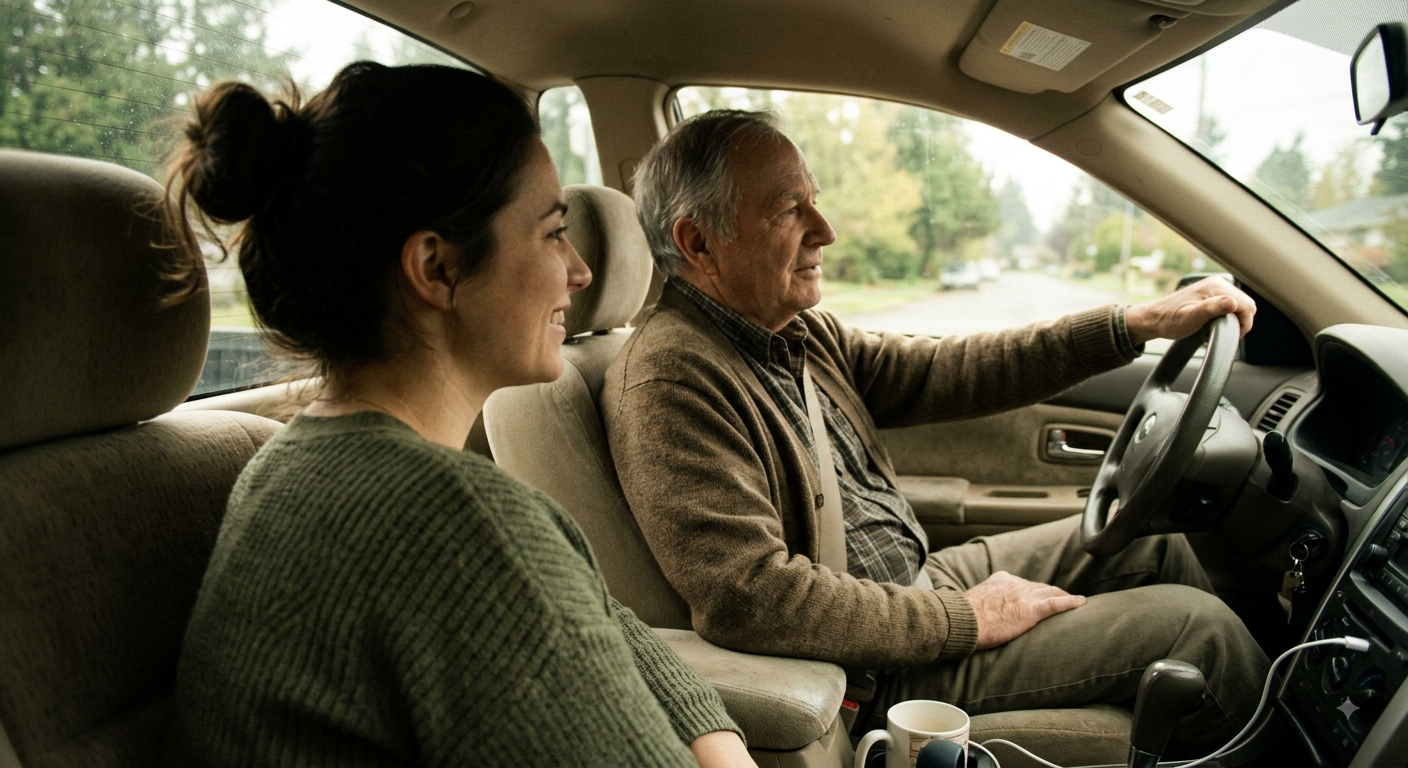
Pick an unhurried, ordinary moment: Big conversations often go easier without eye contact and without a clock running. Choose a situation like a car ride, a quiet evening, or a leisurely walk.
Let it be open-ended: You don’t need every answer in one sitting. A conversation that opens the door and gets a few honest answers is a success, even if it takes more than one try.
What to Ask
Once the conversation is out there, a short, specific list keeps the conversation from feeling overwhelming, for both of you:
- Do they have a preference between burial and cremation?
- Have they thought about the kind of service they’d want, if any, and who they’d want involved?
- Do they already have a prepaid or pre-need plan, and if so, with which provider?
- Is there a song, reading, or tradition that matters to them?
- Is there anyone specific they’d want notified right away?
None of these require a final decision. They require an honest starting point.
Don’t Let the Conversation Live Only in Memory
Here’s the part that’s easy to overlook: having the conversation is only half the job. If what you learn only exists as something you remember, it’s vulnerable to the same problem you were trying to solve, just one step removed. Memories fade, get mixed up between siblings, or aren’t there when they’re needed most.
Writing it down doesn’t have to be complicated. The Funeralwise After Me Planner gives you a simple place to record what you learn, whether it’s a full picture or just the first few answers. The Quick Plan takes a few minutes and is free, so there’s no reason to wait until the conversation feels “finished” before starting to write it down.
Frequently Asked Questions
Start small. You don’t need to announce it as a hard topic. Mentioning a funeral you both attended, or sharing your own wishes first, tends to feel more natural than a direct, formal ask. Most parents are more open to this conversation than adult children expect
Give it time, and try again later rather than pushing in one sitting. Some people need to sit with the idea before they’re ready to talk. It can also help to gently explain why you’re asking: that you want to honor their wishes rather than guess at them.
Start with the basics: burial or cremation and whether they have an existing prepaid plan. Ask whether they’d want a service, what kind, and any specific songs, readings, or people they’d want involved. You don’t need every detail in one conversation.
Write it down somewhere accessible, rather than relying on memory. A tool like the Funeralwise After Me Planner gives you a place to record what you’ve learned so it’s there when your family actually needs it.
No. In fact, having this conversation while your parents are healthy tends to make it easier, not harder, because it isn’t tied to a crisis. Waiting for a health scare often means having the conversation under far more stressful circumstances than necessary.
Source: AARP Death and Dying: Views of Adults Ages 45 and Older.