Nicole Kidman’s recent announcement that she is training to become a death doula has brought new attention to a role many people still do not fully understand. While the story has drawn interest because of her celebrity status, it also highlights an important part of end-of-life care: the need for compassionate, personal support during one of life’s most difficult transitions.
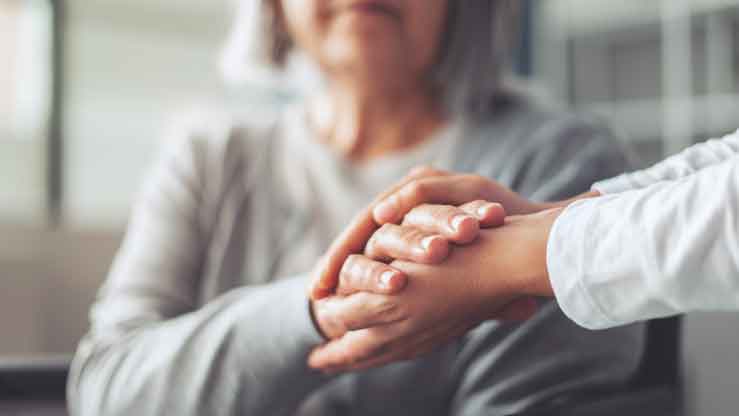
A death doula is not a medical provider. Instead, this person offers emotional, spiritual, and practical support to someone who is dying and to their family members. That support can help reduce stress, ease difficult conversations, and create a more peaceful experience at the end of life.
What is a death doula?
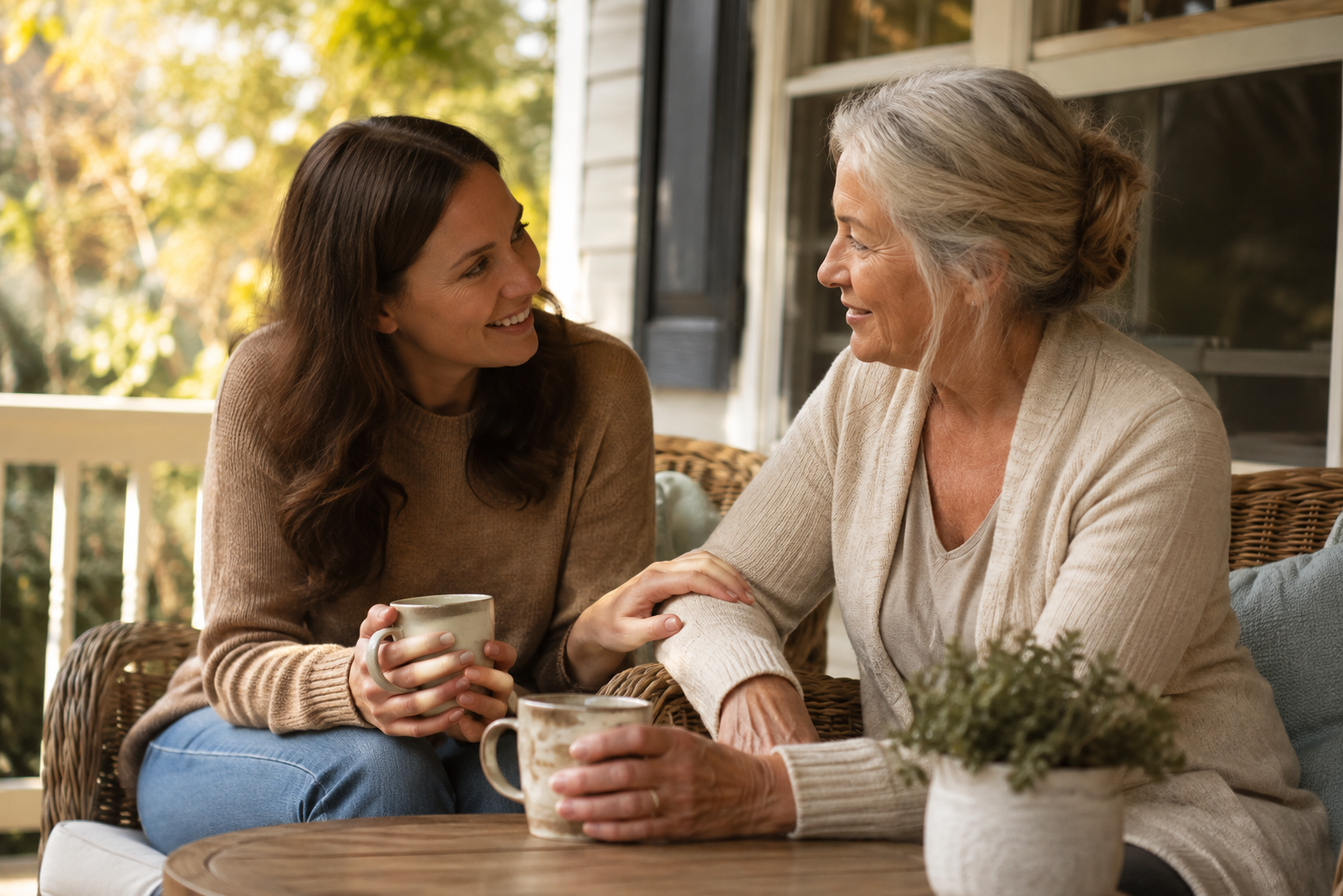
A death doula, sometimes called an end-of-life doula, gently helps people and families navigate dying with compassion, comfort, and clarity. Duties may include guiding tender conversations, supporting meaningful legacy projects, assisting with planning, and giving a steady, caring presence during emotional times.
Death doulas do not replace hospice care, doctors, or family caregivers. They complement those supports by focusing on emotional and practical needs that often arise as someone nears the end of life.
Our article How can a Death Doula help? Is a good starting point for understanding the role and its benefits.
Why Nicole Kidman’s story strikes a chord
Kidman’s announcement strikes a chord by making this lesser-known role seem more familiar and relevant. According to public reports, her interest in becoming a doula was shaped by personal loss. Most of us can identify with the loss of a loved one and can relate to the grief that accompanies losing someone close to us.
Just as important, the story reminds us that end-of-life planning goes beyond paperwork. It also involves communication, comfort, dignity, and making certain loved ones understand important wishes.
How a death doula can help
A death doula’s support may include:
- Helping families discuss end-of-life wishes.
- Extending emotional support and a calm presence.
- Assisting with legacy projects, such as letters or recordings.
- Supporting practical planning and coordination.
- Helping create a peaceful environment for the dying person and their loved ones.
For many families, this guidance can give comfort and support in difficult times. It gently shifts the focus from uncertainty to connection, allowing loved ones to cherish truly meaningful moments together.
The larger takeaway from Nicole’s story
Attention on Kidman’s training as a death doula demonstrates a broader move toward open, compassionate conversations about dying. This shift matters, as openness around end-of-life care helps people better prepare to make thoughtful choices for themselves and their families.
Related Funeralwise resources
If you would like to explore this topic further, we recommend our article, What is a Death Doula? It covers the basics as viewed by a professional in the field. We also encourage you to read our article, Talking About Your Funeral Plan, which encourages starting conversations about planning before a crisis. For those looking for more family-centered approaches, The Home Funeral: Doing it Yourself is on the Rise offers another perspective.
If you are looking for a starting point to create an end-of-life plan, we recommend our After Me Planner and Organizer. It’s designed to give the do-it-yourselfer everything they need to make an often complicated effort easier.
These articles come together to reinforce a simple truth: planning ahead is an act of true care. Taking steps now can ease stress, honor each person’s unique wishes, and give families comfort and confidence as they face life’s most profound moments.
Whether examining funeral planning, considering hospice, or learning about death doulas, the underlying hope is always the same: to make the end of life as peaceful, supportive, and personal as possible for everyone involved.